
Guide
Managing Tilt After a Bad Horse Race
How to recover mentally after a bad race loss.
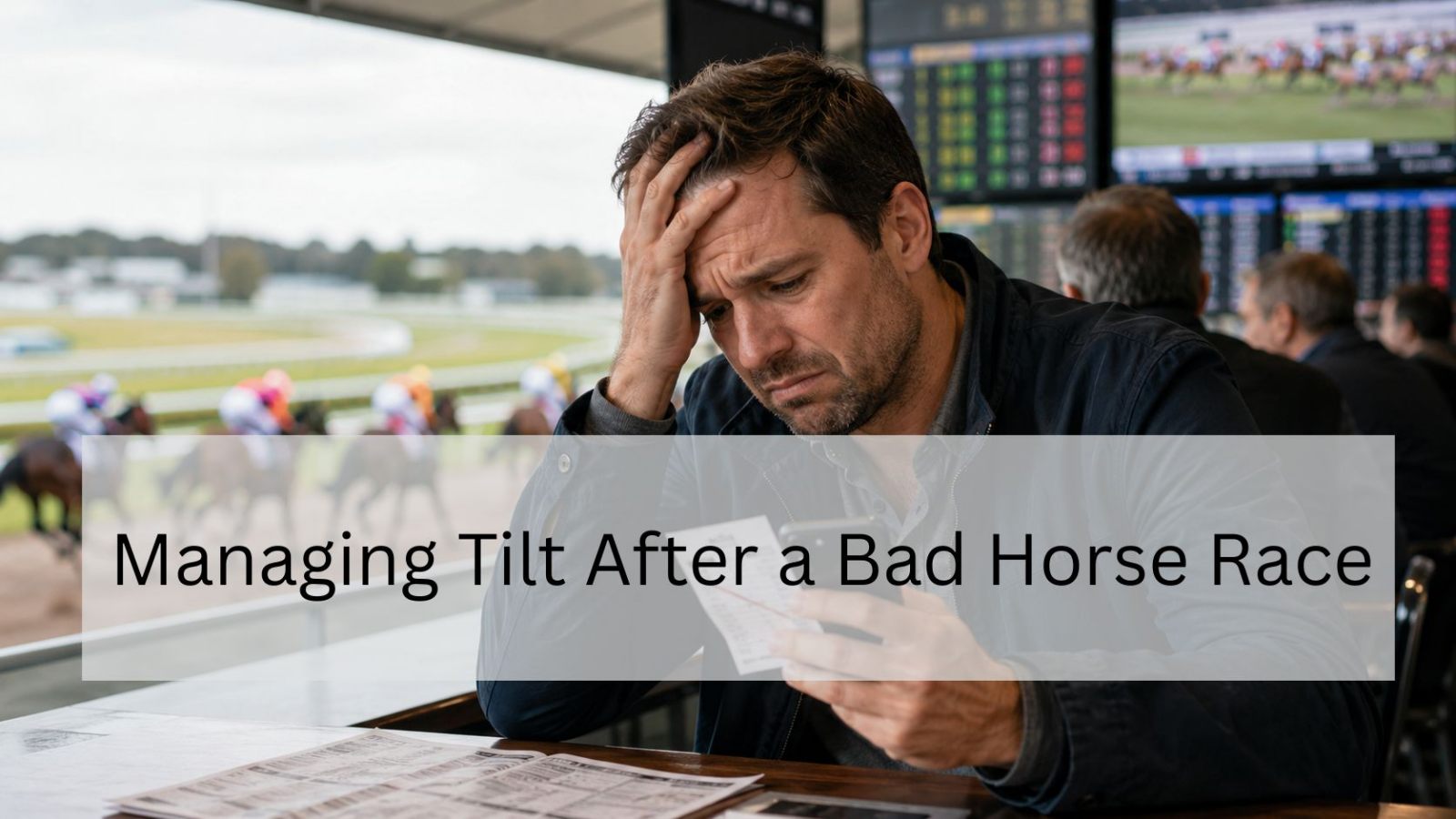
Tilt refers to an emotional state where frustration, anger, or disappointment starts influencing betting decisions after a bad result.
In horse racing, tilt commonly happens after:
- A painful loss
- A near miss
- A favourite horse collapsing late
- A large upset result
For users exploring racing environments through Winbox or navigating betting systems connected to the login platform, understanding tilt is important because emotional reactions can quickly turn one bad race into a much larger losing streak.
Why Tilt Happens So Easily in Horse Racing
Horse racing creates intense emotional swings because races are fast, unpredictable, and highly competitive.
Emotional triggers include
- Photo-finish losses
- Last-second overtakes
- Heavy favourites losing unexpectedly
- Horses underperforming badly
These situations create:
- Frustration
- Shock
- Regret
- Urgency to recover losses
Tilt often begins emotionally before bettors even realise it.
Tilt Usually Starts Small
Most players do not suddenly lose control all at once. Tilt usually develops gradually.
Early signs
- Feeling irritated after a race
- Increasing bet sizes impulsively
- Betting quickly without analysis
- Wanting immediate recovery
At first, these behaviours may seem:
- Minor
- Temporary
- Justified emotionally
but they can escalate rapidly if ignored.
Emotional Betting vs Disciplined Betting
Tilted Betting
Disciplined Betting
Emotional reactions
Calm decision-making
Chasing losses
Accepting variance
Larger impulsive bets
Structured bankroll management
Rushed betting
Analytical pacing
Frustration-driven
Strategy-driven
This difference often determines whether losses stay manageable or spiral further.
Why Chasing Losses Is Dangerous
One of the clearest signs of tilt is chasing losses emotionally.
Common thought process
- “I need to win it back immediately.”
- “One big win will fix everything.”
Why this becomes risky
Emotional urgency often causes:
- Poor horse selection
- Oversized stakes
- Abandonment of bankroll rules
The desire to recover quickly usually increases risk exposure significantly.
Near Misses Trigger Tilt Strongly
Near misses are emotionally powerful because they create frustration mixed with false optimism.
Examples
- Your horse loses by inches
- A late overtake ruins the result
- A longshot nearly wins at huge odds
These situations often create:
- Emotional replaying of the race
- Desire for immediate redemption
- Increased impulsive betting
Even though near misses are still losses mathematically.
Tilt Reduces Rational Thinking
Tilt affects decision-making quality because emotions begin overriding analysis.
Common effects
- Ignoring horse form
- Betting races without research
- Following “gut feelings” emotionally
When tilted, players often:
- Bet faster
- Think less clearly
- Focus only on recovering emotionally
This shift usually worsens long-term results.
Why Taking a Break Helps
One of the simplest and most effective responses to tilt is stepping away temporarily.
Why breaks matter
They help:
- Reset emotions
- Reduce impulsive behaviour
- Restore rational thinking
Even short breaks help
- A few minutes away from betting
- Skipping one race
- Pausing after a frustrating result
These pauses interrupt emotional escalation.
Accepting Variance Is Important
Horse racing naturally involves unpredictable outcomes, even when analysis is strong.
Important reality
Good betting decisions:
- Do not guarantee wins every race
Strong horses can:
- Lose unexpectedly
- Face bad positioning
- Encounter poor track conditions
Accepting variance helps reduce emotional overreaction after losses.
Bankroll Rules Protect Against Tilt
Structured bankroll management helps prevent emotional betting spirals.
Helpful rules
- Fixed maximum stake sizes
- Daily betting limits
- Pre-set loss caps
Why this matters
When emotional control weakens:
- Pre-set rules provide protection automatically
This creates important financial boundaries during emotional periods.
Why Mobile Betting Can Increase Tilt
Modern mobile betting environments make emotional reactions happen faster.
When using:
- Winbox racing systems
- Winbox login betting platforms
players can:
- Re-enter races instantly
- Deposit quickly
- Continue betting emotionally without pauses
This convenience reduces natural cooling-off periods.
Emotional Patterns After a Bad Race
Common reactions
- Anger at jockey decisions
- Blaming bad luck repeatedly
- Feeling “owed” a win
- Betting more aggressively afterward
These emotional patterns are extremely common among both beginners and experienced bettors.
The Problem With “Recovery Bets”
Recovery betting often sounds rational emotionally but becomes risky behaviour quickly.
Example
After losing:
- RM50
a bettor may suddenly wager:
- RM200 trying to recover immediately
Why this becomes dangerous
Larger recovery bets:
- Increase emotional pressure
- Increase financial exposure
- Often reduce analytical quality
Tilt encourages short-term thinking instead of discipline.
Why Winning While Tilted Can Also Be Dangerous
Sometimes players win after tilting, which can accidentally reinforce unhealthy behaviour.
Why this matters
A recovery win may create:
- False confidence
- Belief that emotional betting “works”
This reinforcement can encourage:
- Future impulsive betting patterns
even if the win itself was mostly luck-driven.
Recognising Your Personal Tilt Triggers
Different players tilt for different emotional reasons.
Common triggers
- Consecutive losses
- Heavy favourites losing
- Missing large payouts narrowly
- Losing after feeling “certain” about a pick
Understanding personal triggers improves emotional awareness significantly.
Structured Betting Improves Emotional Stability
Players who follow structured routines usually manage tilt better long-term.
Helpful habits
- Betting only selected races
- Following fixed staking plans
- Reviewing decisions calmly afterward
Structure creates:
- Emotional consistency
- Better pacing
- Reduced impulsive behaviour
This matters far more than many players realise.
Why Horse Racing Feels Personal Emotionally
Many bettors emotionally identify with their picks during races.
Emotional attachment develops through
- Research effort
- Favourite jockeys
- Confidence in predictions
- Longshot excitement
When the horse loses:
- The disappointment feels personal
This emotional attachment intensifies tilt reactions.
Responsible Betting Still Matters
No emotional strategy eliminates gambling risk completely.
Important reminders
- Losses are part of betting variance
- No race outcome is guaranteed
- Emotional discipline matters more than short-term wins
Horse betting should remain:
- Controlled entertainment
- Not emotional recovery behaviour
How This Relates to Winbox Users
For users exploring horse betting systems tied to Winbox login platforms, understanding tilt helps improve emotional discipline and long-term bankroll control.
Recognising:
- Frustration patterns
- Emotional triggers
- Impulsive behaviour
helps reduce:
- Chasing losses
- Overspending
- Emotion-driven betting decisions
Conclusion
Tilt after a bad horse race is extremely common because racing environments naturally create strong emotional reactions and rapid betting opportunities.
The biggest dangers usually come from:
- Chasing losses
- Emotional recovery bets
- Abandoning bankroll discipline
For users navigating racing environments through Winbox systems or exploring betting platforms connected to Winbox login ecosystems, emotional awareness and structured betting habits remain some of the most important tools for maintaining healthier long-term gambling behaviour.
Frequently Asked Questions
What Is Tilt in Horse Betting?
Tilt refers to emotional frustration affecting betting decisions after losses or bad race outcomes.
Why Does Tilt Happen So Often?
Horse racing is fast, emotional, and highly unpredictable.
What Is Chasing Losses?
Trying to recover previous losses quickly through larger or emotional bets.
How Can Players Reduce Tilt?
Taking breaks, following bankroll rules, and avoiding emotional betting reactions help significantly.
Are Near Misses Emotionally Dangerous?
Yes. Near wins often trigger frustration and impulsive betting behaviour.
Why Is Mobile Betting Riskier During Tilt?
Because players can continue betting instantly without cooling-off periods.